How BIL Conference Started: A Tale of Chaos, Creativity, and Community
By Camrouan C. Thompson


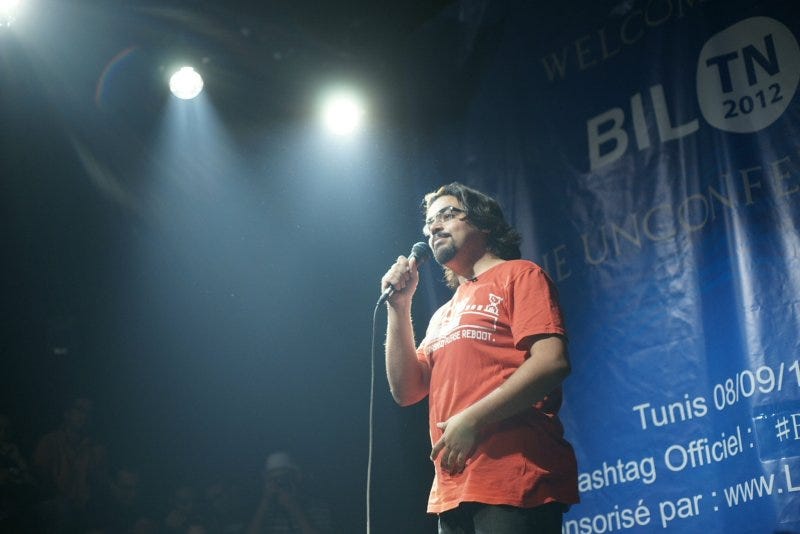
In the world of conferences, TED has long been the gold standard for thought leadership and innovation. But what happens when you strip away the rules, the exclusivity, and the rigid structure? You get BIL—a grassroots, anarchist-inspired "un-conference" that has grown into a global phenomenon.
I recently had the chance to reflect on how BIL started, and the story is as fascinating as the event itself. It’s a tale of rebellion, experimentation, and community—one that has left an indelible mark on the world of ideas.
The Birth of BIL: A Rebellion Against Rules
BIL began in 2008 as a direct response to TED’s exclusivity. Back then, TED was an invite-only event, and many passionate thinkers and creators were left out. My friends and I, who were attending TED, decided to sneak in some of our favorite speakers and attendees who couldn’t get tickets. TED wasn’t thrilled about this, and they made it clear: if we kept sneaking people in, we’d be banned for life.
So, we did what any self-respecting rule-breakers would do—we started our own event. BIL was born as a satellite gathering, an open space for anyone with ideas to share. There were no rules, no license fees, and no hierarchy. It was chaos, but it was beautiful chaos.
The BIL Philosophy: Egalitarian and Experimental
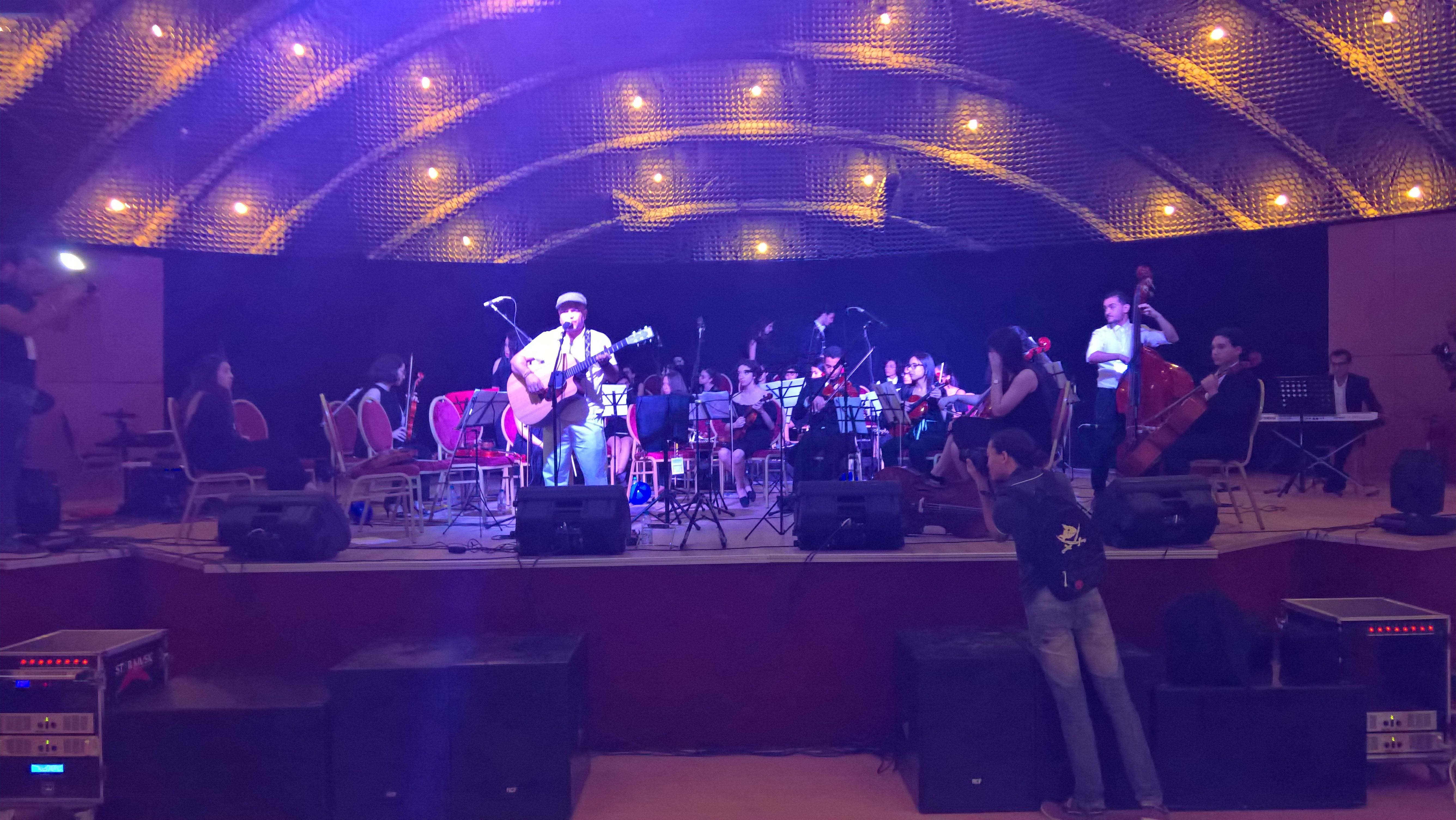
Unlike TED, BIL operates on a simple principle: everyone has something valuable to contribute. There’s no main stage reserved for “elite” speakers. Instead, BIL features multiple stages, allowing anyone to step up and share their ideas. Some stages are for polished talks, while others are for experimentation and practice.
This egalitarian approach has made BIL a breeding ground for creativity. High schoolers, scientists, artists, and activists all share the same platform. It’s not uncommon to see a physicist like Garrett Lisi or a biogerontologist like Aubrey de Grey speaking alongside a teenager with a bold new idea.
BIL also thrives on experimentation. We’ve held sessions on beaches, organized camping events, and even created impromptu stages in unexpected places. The goal is to break free from traditional conference formats and explore new ways of connecting and sharing ideas.
BIL Goes Global: From Los Angeles to Tunisia
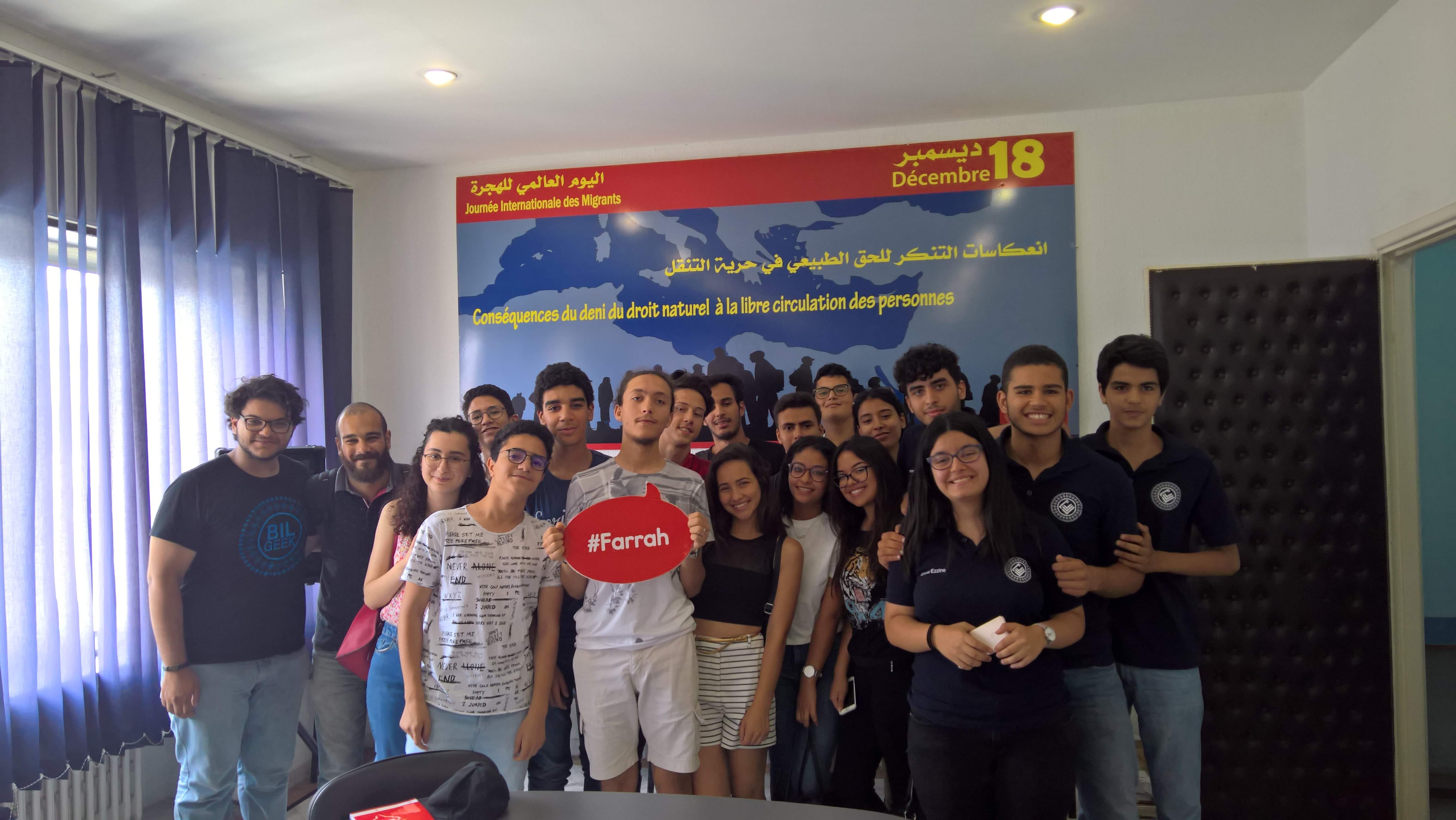
What started as a small gathering in Los Angeles has since spread around the world. BIL conferences now take place in cities like San Francisco, Vancouver, and even as far as Tunisia. In fact, Tunisia is home to the largest BIL event in the world, drawing nearly a thousand participants.
The growth of BIL is a testament to its universal appeal. People are drawn to its openness and inclusivity. In April, the busiest month for BIL, there can be as many as 20 events happening simultaneously across the globe. It’s a movement that shows no signs of slowing down.
BIL’s Influence on TEDx
Interestingly, BIL’s success played a role in the creation of TEDx. When TED saw how popular BIL was becoming, they realized they needed a way to harness that energy while maintaining control. Thus, TEDx was born—a licensed, rule-bound version of TED that could be organized independently around the world.
While TEDx has grown exponentially, it’s worth noting that it was inspired by the anarchic spirit of BIL. In many ways, BIL proved that there’s a hunger for open, accessible platforms where anyone can share their ideas.

Celebrating BIL’s Success
Today, BIL continues to thrive as a space for innovation and community. It’s a reminder that great ideas don’t need rules or exclusivity to flourish. Sometimes, all they need is a platform and a group of passionate people willing to listen.
As I reflect on BIL’s journey, I’m filled with pride and gratitude. What started as a rebellious experiment has become a global movement, touching lives and sparking conversations in ways we never imagined.
To everyone who has been part of BIL—whether as an organizer, speaker, or attendee—thank you for your creativity, your courage, and your commitment to making the world a more open and connected place. Here’s to many more years of chaos, creativity, and community.
Camrouan C. Thompson is a director for the Human Rights Foundation and an original member of BIL. He continues to support and celebrate the growth of this remarkable un-conference.*
 | A guest post by
|